
Origin
This tutorial is designed to help you understand the pro-life position,
particularly as it relates to beginning-of-life questions. The material has
been developed by members of the
 Stanford University
pro-life student group and honed over many years of experience on the front
lines of cultural debate on the issue.
Stanford University
pro-life student group and honed over many years of experience on the front
lines of cultural debate on the issue.
Because of its roots in university-setting activism, this tutorial is ideal for providing college-level pro-life apologists with the resources they need to defend their view from an intellectual standpoint. Its primary aim is to help people who are already pro-life better to understand the reasoning that underlies that position and to be more self-confident in expressing their opinion in the midst of a hostile environment. For those who do not consider themselves pro-life—whether they are undecided or committed pro-choicers—we hope that the information will at least provide an informative insight into where pro-life people are coming from.
Structure
In the Pro-Life Reasoning section, we will explain the philosophical basis for the pro-life position and address a few counter-arguments. You might find that this section is technical and heavy at times. We encourage you not to get intimidated. It is not necessary to understand every detail, and in the subsequent section we will distill the philosophical principles into practical discussion tips. Still, you will be better prepared to handle unexpected arguments if you have a grasp of the formal reasoning that underlies the pro-life position.
In the Discussion Tactics section, we offer some rules of thumb for translating pro-life philosophy into practical strategies that will make you a more persuasive defender of the pro-life point of view. Finally, in Sample Q&A, we offer answers to a number of common “tough questions” that pro-lifers hear and that were not already covered in Pro-Life Reasoning. The Resources section contains numerous helpful suggestions for further exploration and learning.
We recommend that this tutorial be studied in sequence, from beginning to end, by clicking the “Next” button on the bottom of each page. The major section headers to the left and the sub-section headers at the top of the page will orient you to your place within the larger framework.
We would also like for this material to be easily accessible as a reference. Thus, it is possible to navigate to any location within the tutorial by clicking on the corresponding header or by finding the desired topic in the Table of Contents.
What This Tutorial Is Not
This tutorial is NOT an analysis of the perspective of one or more religious
tradition(s). It is perfectly appropriate for religions to take a position on
abortion, as they do on all manner of moral questions. However, we must not let
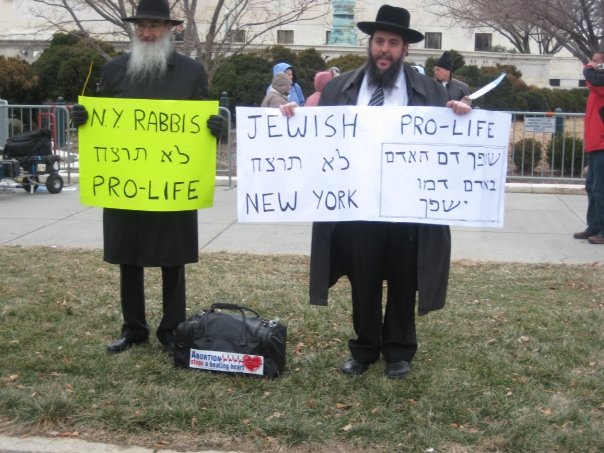 the religious overtones that many pro-lifers consequently bring to the abortion
dialogue give the impression that abortion is fundamentally a sectarian issue.
the religious overtones that many pro-lifers consequently bring to the abortion
dialogue give the impression that abortion is fundamentally a sectarian issue.
This is particularly important because of the way that the pro-choice side has framed the debate. The extent to which pro-life ideology is misunderstood by the general public owes much to the media’s characterization of it as the manifestation of frenzied religious fanaticism. We, however, feel strongly that the “beginning of life” question is not an especially religious topic, at least not more so than any other matter of contemporary political controversy. Nor is being pro-life an arbitrary article of faith. Rather, it is a rational position that is perfectly defensible on secular, non-sectarian grounds. And this is important for activists, of whatever faith background, to understand as they work for change in a secular society.
This tutorial is NOT a guide for speaking with someone considering an abortion.1 The skills and delicate tact required by such an endeavor are beyond its scope. If you find yourself in this situation, there are many resources available to help.
Thanks
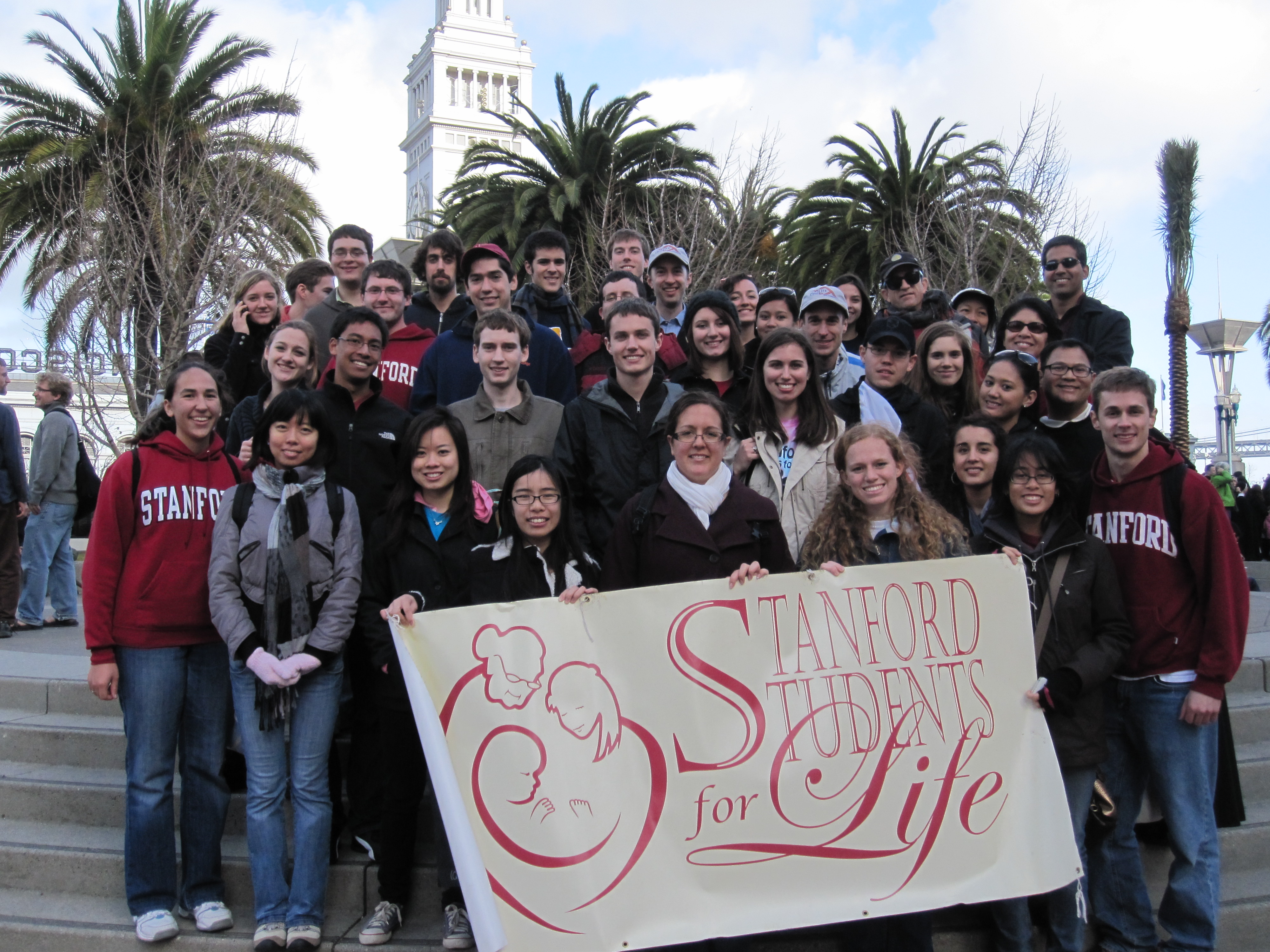
Special thanks to the members, alums, and supporters of Stanford Students for Life, who made this project possible.
Image credits are listed in the Resources section.
-
When speaking with someone considering an abortion, it is generally best to focus not on the baby, and not even on moral arguments at all, but on how to address the needs of the mother. ↩