
Important Background
Before diving into such an emotionally charged discussion, there are a few points with which it is important to begin. One is this tutorial’s focus on abortion. Pro-life certainly does not just mean anti-abortion. However, if abortion is the heinous human rights abuse that we claim it to be, then it is by far the most widespread form of such abuse in our society, and the primary attention paid it by many pro-life groups is justified. It’s also the issue on which pro-life activists are most likely to face questions and challenges, which is why we are going to focus on it in this tutorial. But much of what we say will be relevant to any other beginning-of-life issue (like, perhaps, embryonic stem cell research).
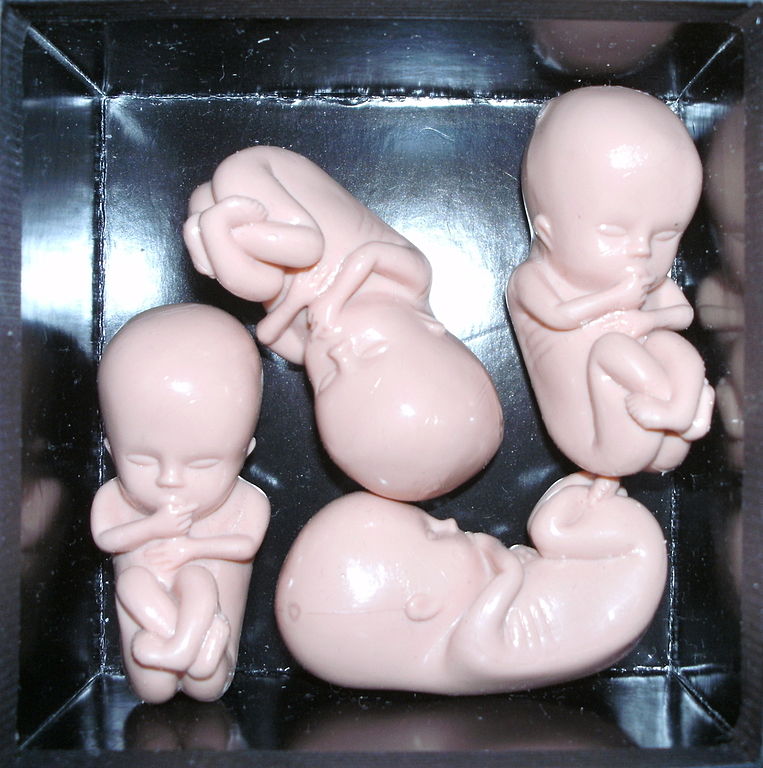
Another is the fetal focus that most of these arguments will take. That abortion can have adverse physical and psychological effects on women is true—indeed, this point is often neglected by pro-lifers to their detriment. However, the fundamental philosophical reason that pro-lifers are not pro-choice—the reason that we think abortion is not just inadvisable but should be forbidden—is because of what we think about the child and not because of whatever risks there might be for those women who freely choose to assume them. This is absolutely not to say that we care about the baby more than the mother; it is simply an appropriate reflection of the fact that the fetus has far more to lose in an abortion.
1Finally, a note on terminology: many pro-choice people object to the use of the phrase “unborn baby.” They think it unfairly stacks the argument in pro-lifers’ favor by equating the unborn entity with a newborn baby, on which everyone places considerable emotional value. They would prefer to use the more impersonal scientific term “fetus.” Obviously, the intellectual argument does not hinge on semantics, and, to be as fair as possible, we are willing to humor this point of view. Thus, we will frequently use the scientific term to show that we are not basing our argument on emotional gimmicks.
With that said, let’s get started!
-
Technically, the scientific term “fetus” describes the unborn child from the ninth week after fertilization until birth. For more or less arbitrary reasons, the term “embryo” is used to describe the unborn entity after fertilization and prior to Week 9. We will often use the term “fetus” to describe an unborn child, even though we are nearly always referring to an unborn child in general, whether before or after Week 9 of development. ↩